
The Haftarah Project: Second Day Shavuot—A Revelation of Peace and Tikkun

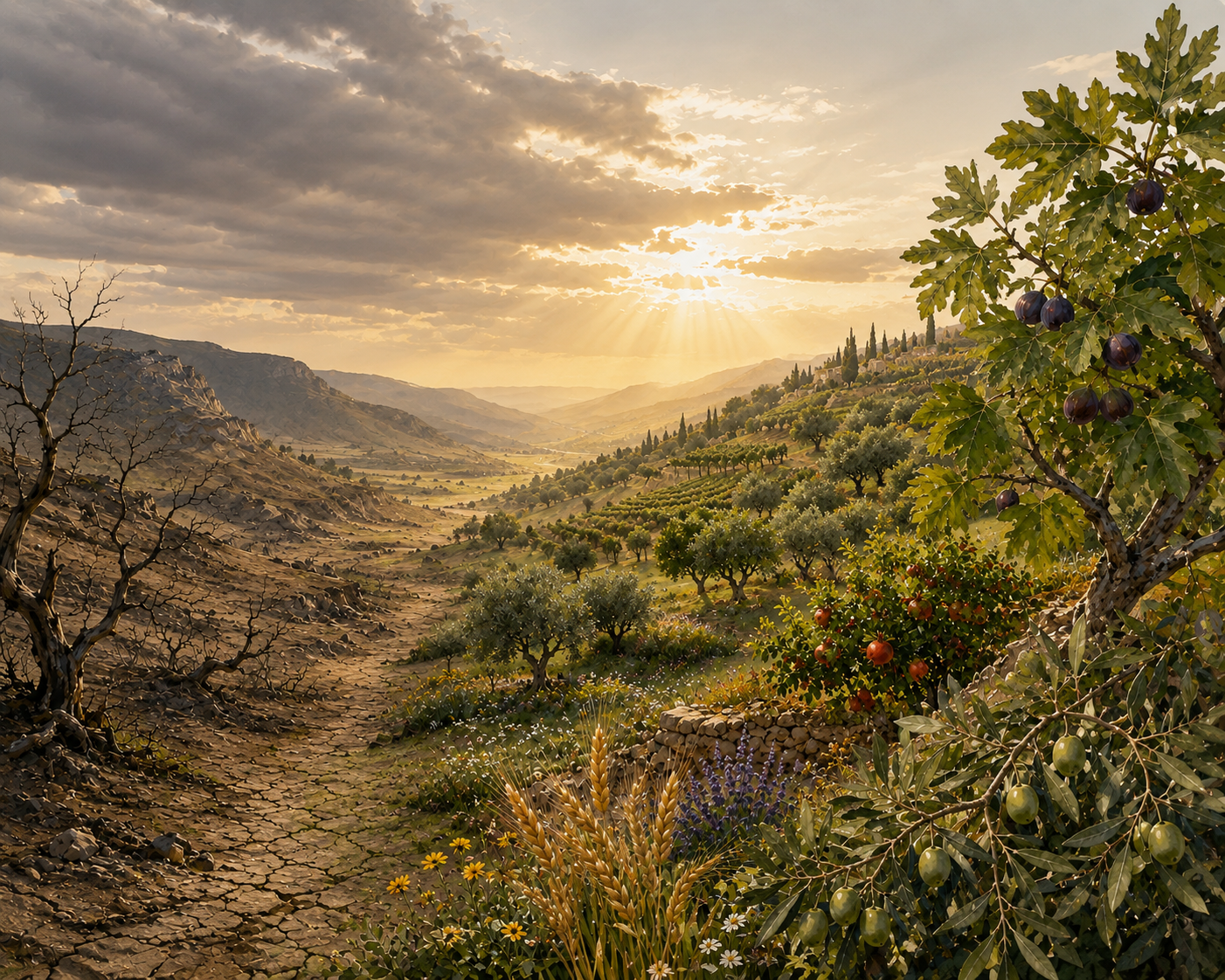
Image generated by Dall-E.
The Haftarot of Shavuot are an odd pair. The first day Haftarah from Eziekiel is a mystical fantasia best suited to be read in the blearyeyed altered state of those who have eschewed sleep for Torah study. The second-day Haftarah from Habakkuk imagines a starkly violent manifestation of God.
The short book of Habakkuk opens with a desperate plea to an absent God. In the first chapter, before our haftarah begins, Habbakuk is overwhelmed by the violence and injustice that is rife in his midst, and calls for God to intervene to bring justice to the world.
Our Haftarah, the third chapter (Sephardim begin with the final verse of chapter 2) is a poetic prayer imagining God’s presence. Many scholars believe this chapter was not part of the original book, yet the rabbis attached it to the second day of Shavuot, presumably as another revelation narrative, albeit one that reads more like a nightmare.
לְפָנָיו יֵלֶךְ דָּבֶר וְיֵצֵא רֶשֶׁף לְרַגְלָיו׃
עָמַד וַיְמֹדֶד אֶרֶץ רָאָה וַיַּתֵּר גּוֹיִם וַיִּתְפֹּצְצוּ הַרְרֵי־עַד שַׁחוּ גִּבְעוֹת עוֹלָם הֲלִיכוֹת עוֹלָם לוֹ׃
בְּזַעַם תִּצְעַד־אָרֶץ בְּאַף תָּדוּשׁ גּוֹיִם׃
Plague, environmental catastrophe, and rage-fueled revenge, are not the manifestations of God’s presence most of us desire. We have experienced the terror of a pandemic and the consequences of environmental disasters. Those are tragedies where we have sought God’s presence for comfort and healing. Imagining God wreaking such extreme destruction on humans and the earth evokes the opposite. In a world where we see the devastating human cost of violent retaliation, biblical revenge fantasies, perhaps intended as cathartic, feel dangerous. Too often we see human leaders confusing their desire for dominance with sovereign or divine power, wreaking immense destruction without regard or attention to the lives destroyed.
Habakkuk himself seems so traumatized by the violence and injustice he has witnessed that the best he can imagine is a Job-like reality.
שָׁמַעְתִּי וַתִּרְגַּז בִּטְנִי לְקוֹל צָלְלוּ שְׂפָתַי יָבוֹא רָקָב בַּעֲצָמַי וְתַחְתַּי אֶרְגָּז אֲשֶׁר אָנוּחַ לְיוֹם צָרָה לַעֲלוֹת לְעַם יְגוּדֶנּוּ׃
כִּי־תְאֵנָה לֹא־תִפְרָח וְאֵין יְבוּל בַּגְּפָנִים כִּחֵשׁ מַעֲשֵׂה־זַיִת וּשְׁדֵמוֹת לֹא־עָשָׂה אֹכֶל גָּזַר מִמִּכְלָה צֹאן וְאֵין בָּקָר בָּרְפָתִים׃
וַאֲנִי בַּה׳ אֶעְלוֹזָה אָגִילָה בֵּאלֹהֵי יִשְׁעִי׃
This bleak landscape is nothing we hope for. It is the consequence we see unfolding far too often due to disregard for our environment, and by choosing violence and revenge over true justice and reconciliation. A feminist, nonviolent theology would neither seek to dominate the natural world nor call for the annihilation of our enemies. Such a theology would promote experiencing God through engaging in acts of justice, pursuing tikkun, repair, of our relationships with one another and as stewards of the earth.
God’s presence is manifest in brave efforts like the Mother’s Call for Peace, nonviolent movements of reconciliation and repair. To truly seek justice requires rejecting violence, destruction, and domination. The revelation we seek is not about thunder and lightning and shows of force. Perhaps they get our attention. But ultimately, we want to create a future where the fields are heavy with fruit, where people will heal and thrive, and take care of the earth. The Torah we seek is a tree of life, and its paths are the paths of peace.
Editor’s Note: The reflections from the Haftarah Project represent the thoughts and opinions of the author.